

Education

Learning through experience and modern analysis methods

The Department of Applied Mechanics conducts extensive teaching activities, offering students laboratory classes in mechanics, strength of materials, dynamics and biomechanics. The educational programme is based on combining theoretical knowledge with practical experience gained in modern laboratories.

Students have the opportunity to learn advanced methods of analysing mechanical systems, vibration testing and modelling physical phenomena occurring in engineering structures and biomechanical systems.

Textbook supporting laboratory classes

An important element of the educational process is also a textbook prepared by the Department staff:

“Laboratory of Dynamics and Vibrations of Mechanical Systems”
K. Szabelski, J. Warmiński

The publication provides important support for students participating in laboratory classes on dynamics and vibrations of mechanical systems and helps them understand dynamic phenomena occurring in engineering systems.
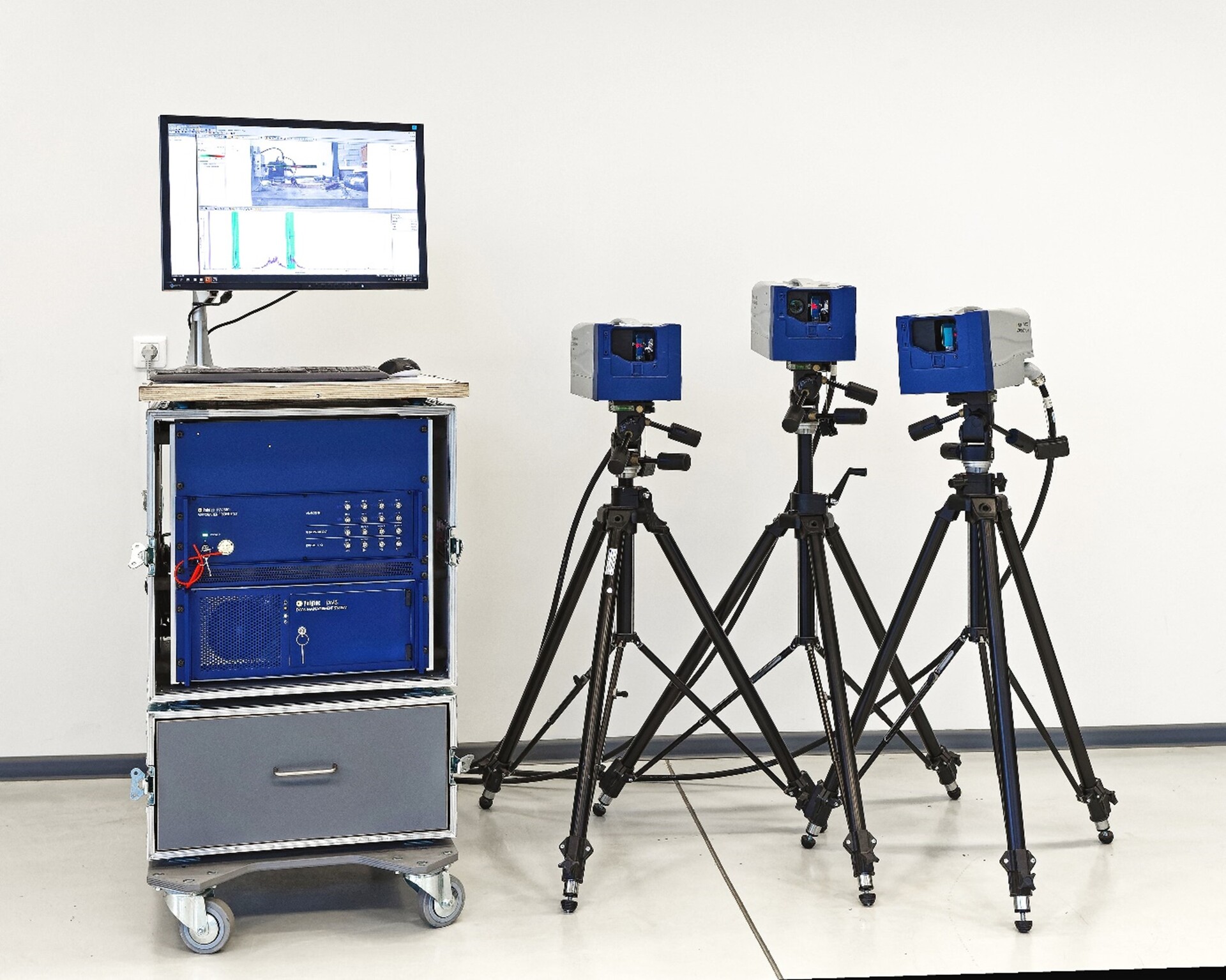

Space for the textbook cover or laboratory photo

Laboratory classes

The Department conducts specialised laboratory classes within many courses delivered in technical programmes of the Faculty of Mechanical Engineering. These classes allow students to gain practical skills in structural analysis, material testing and modelling dynamic phenomena.

  • Strength of Materials
  • Technical Mechanics
  • Analytical Mechanics
  • Mechanical Vibrations
  • Technical Mechanics with Strength of Materials
  • Dynamics of Aircraft Structures
  • Biomechanics
  • Modelling of Mechanical Systems
  • Modelling in Biomechanics
  • Mechanics and Physics of Solids
  • Machine Dynamics

Competences of future engineers

Laboratory classes conducted in the Department enable students to acquire advanced engineering competences in the analysis and modelling of mechanical systems.

Students develop competences in:

  • dynamic analysis of mechanical systems
  • vibration and structural stability testing
  • modelling and simulation of physical phenomena
  • analysis of material and structural strength
  • application of biomechanical methods in the analysis of human motion

By combining theoretical knowledge with laboratory experience, students are prepared to work in a modern engineering environment and to undertake research and design challenges in many industrial sectors.

European Funds – PL2022 project

Project co-financed by the European Union under the European Social Fund, Operational Programme Knowledge Education Development 2014–2020 "PL2022 – Integrated Development Programme of Lublin University of Technology" POWR.03.05.00-00-Z036/17