
Mechanical properties of materials
Research includes the analysis of the mechanical properties of materials using atomic force microscopy (AFM), micro- and nano-hardness measurements, and scratch testing.

Department
Physics in the service of modern technologies
The Department of Applied Physics at Lublin University of Technology is a modern research centre focused on the applications of physics in materials engineering, industrial technologies and biomedical sciences. The unit was established in 2009 as a result of the merger of the Department of Applied Physics and the New Materials Engineering Team, which had previously operated within the structure of the Institute of Physics. Since 2013, the Department has functioned as an independent unit of the Faculty of Mechanical Engineering at Lublin University of Technology.
The Department’s scientific activity focuses on the investigation of the physical and structural properties of materials used in modern technologies, including thin-film materials, biomaterials and biopolymers. Research is carried out using advanced experimental methods and modern simulation tools.
Research
The Department’s team conducts interdisciplinary research at the interface of physics, chemistry, materials engineering and biomedical engineering.
Research includes the analysis of the mechanical properties of materials using atomic force microscopy (AFM), micro- and nano-hardness measurements, and scratch testing.
The team conducts research on the structure and mechanical properties of metallic thin-film systems produced using vacuum and electrolytic methods.
Research projects make use of simulations of the physical properties of thin material layers and modelling of atomic cluster formation processes using advanced computational methods.
The Department analyses the mechanical and structural properties of materials of biological origin, supporting the development of modern biomedical applications.
Research includes the analysis of the physical properties and structure of biopolymers, as well as nucleation and crystallisation processes from solutions.
The research carried out helps to better understand the mechanisms shaping material properties and to design new materials with desired performance characteristics.
Laboratories
Research work carried out in the Department uses advanced laboratory equipment enabling the analysis of the structure and properties of materials at the micro- and nanoscale.
Laboratories are equipped with, among others, the Empyrean Panalytical X-ray diffractometer, CSM UNHT ultra-nanoindenter, CSM NST nano-scratch tester and Bruker AFM atomic force microscope.
The equipment enables research using X-ray diffraction, nanoindentation, atomic force microscopy and scratch testing.
Thanks to this infrastructure, detailed analysis of the mechanical and structural properties of materials used in advanced technological applications is possible.
Scientific cooperation
Research carried out in the Department is interdisciplinary in nature and combines issues from physics, chemistry, materials engineering and biomedical sciences.
Research projects use modern experimental methods and specialised equipment for materials analysis.
Research applies computer simulations, mathematical modelling and advanced data analysis.
The aim of the research is to develop modern materials technologies and deepen knowledge of the physical properties of materials used in advanced applications.
The Department creates an environment where fundamental research meets practical applications in modern materials engineering.
Students
Students are actively involved in the Department’s scientific activity by participating in research projects, preparing diploma theses and completing scientific internships.
Students have the opportunity to co-create research and learn about research methods used in modern applied physics.
Participation in research work enables students to gain practical experience in operating scientific equipment and analysing experimental results.
Involvement in research supports the development of scientific interests, technical competences and preparation for further research and engineering careers.
History
The history of the Department of Applied Physics is also the history of its people, its research team and the shared development of the unit over the years.
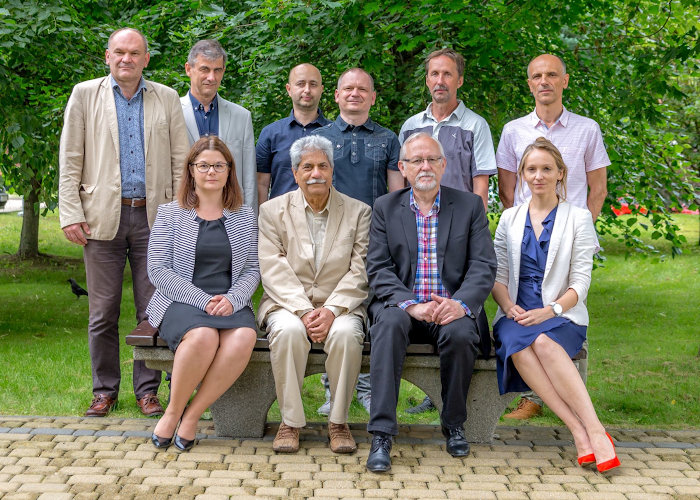
A photo of the Department of Applied Physics team from 2023.
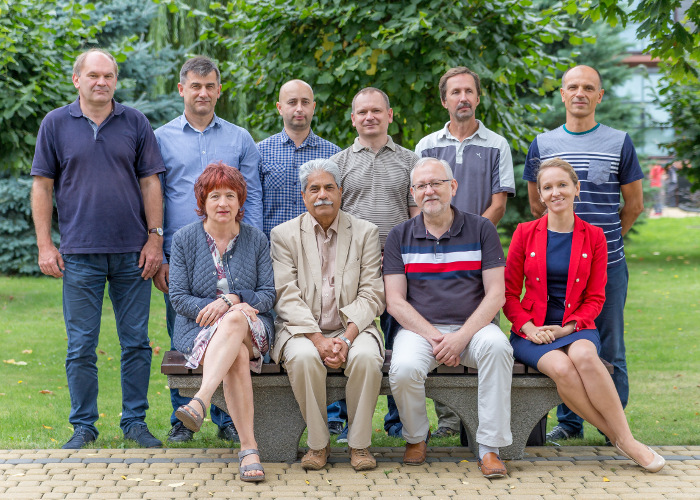
A photo of the Department of Applied Physics team from 2018.
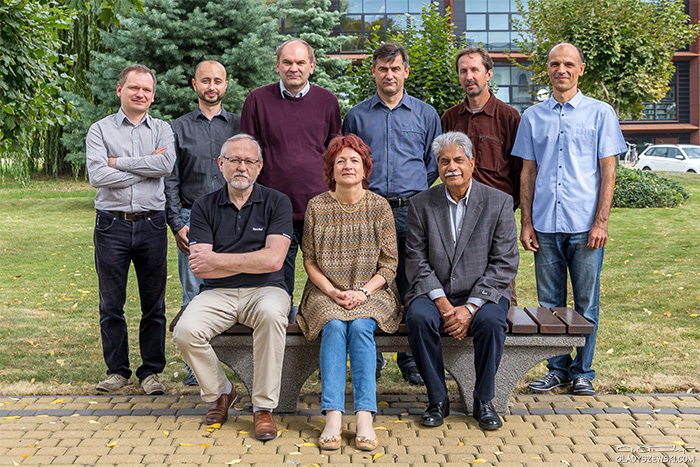
A photo of the Department of Applied Physics team from 2016.
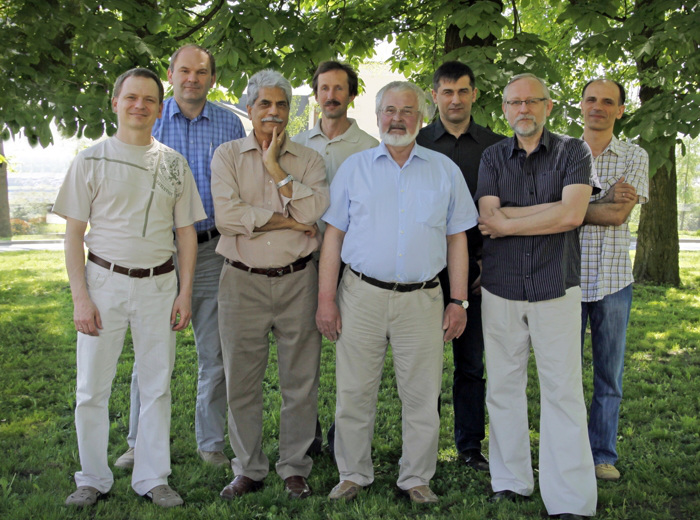
A photo of the Department of Applied Physics team from 2013.

Project co-financed by the European Union under the European Social Fund, Operational Programme Knowledge Education Development 2014–2020 "PL2022 – Integrated Development Programme of Lublin University of Technology" POWR.03.05.00-00-Z036/17